First impressions matter—and your logo is often the first thing a customer sees. But what happens when that logo appears fuzzy on a website or gets distorted on a billboard? Unfortunately, that’s the reality for businesses still using low-resolution raster images. Whether it’s stretched graphics, pixelated edges, or inconsistent colours, a poor-quality logo sends the wrong message.
That’s where vector format comes into play.
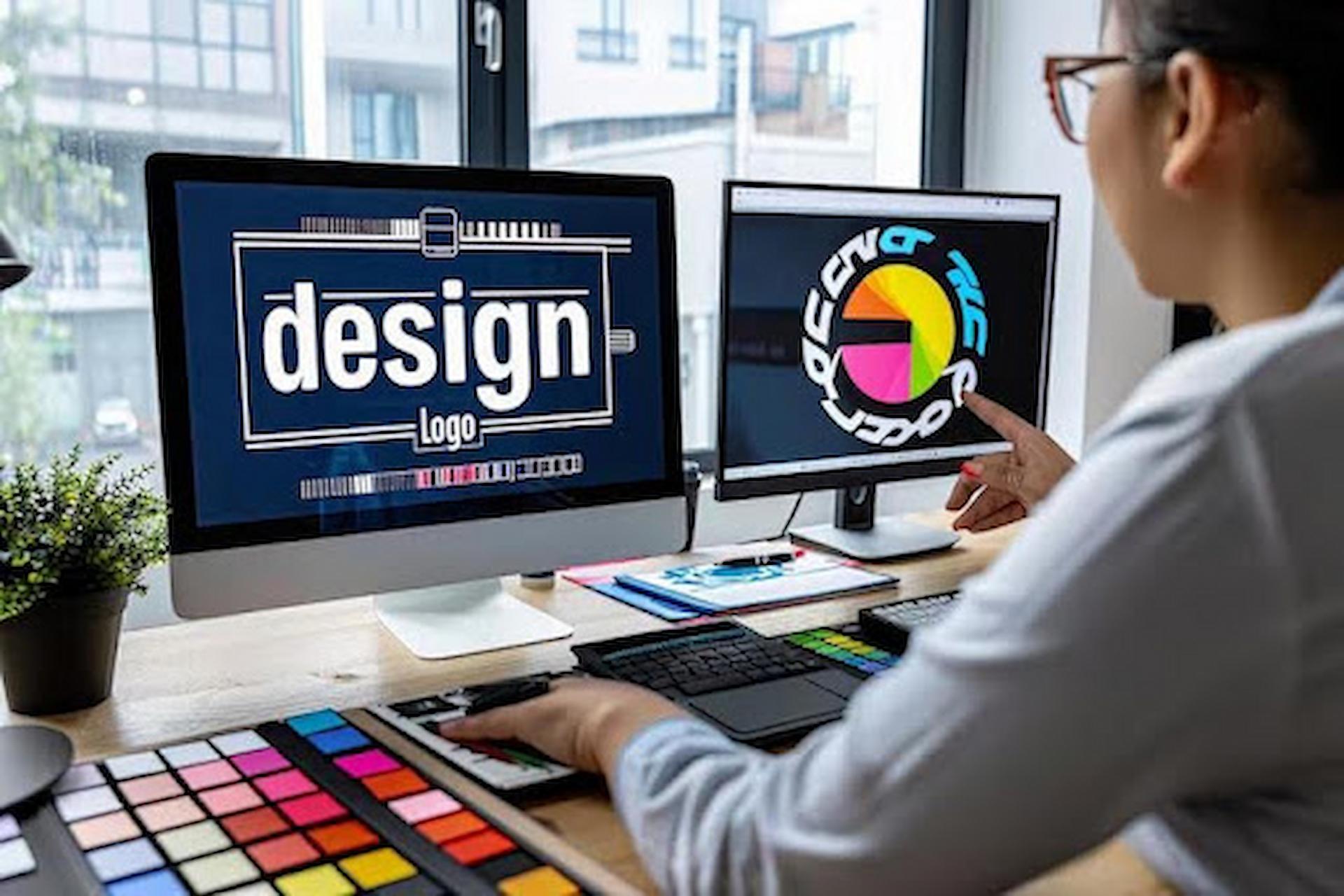
Unlike raster files such as JPEGs or PNGs, vector graphics are built using mathematical equations. This means they can be scaled to any size without losing clarity. A logo that looks great on a business card will look just as sharp on a banner or digital screen. For companies wanting to future-proof their brand visuals, converting your existing design into a high-quality vector file is a smart and necessary step.
Choosing a vector art conversion service not only ensures technical accuracy but also helps preserve the essence of your brand. With expert help, you can turn an outdated image into a professional-grade graphic that’s ready for any platform.
In the next sections, we’ll dive deeper into the benefits of vector formats, how they compare to raster images, and what you need to know before investing in a vector art conversion service.
Why Logo Quality Is a Big Deal
Every logo tells a story—but only if people can actually see it. If your current logo looks blurry, pixelated, or low-quality on different backgrounds or sizes, it could be hurting your brand more than helping. Customers often associate clear, clean design with professionalism. So when your branding falls short, it leaves a lasting negative impression.
Think of your logo as your digital handshake. If it’s weak, it doesn’t inspire confidence. Worse, it can make your business seem outdated or careless. A strong, clear visual identity helps build trust and sets the tone for everything from social media graphics to signage and packaging.
Raster vs. Vector: Understanding the Basics
Raster images—like JPEGs, GIFs, and PNGs—are made up of pixels. These tiny blocks of colour form your image, but once you try to enlarge them, the picture loses sharpness. That’s why you’ll often notice jagged edges or a grainy look when a raster image is stretched beyond its original size.
In contrast, vector images are made using paths and mathematical equations. This means they can be scaled infinitely without any drop in quality. The result? A crisp, clean image every time.
Using a Vector Art Conversion Service UK can transform your current logo or design from a pixel-based format into a scalable vector file. This makes it easier to use the same logo consistently across websites, business cards, posters, and more—without quality loss.
What Is Vector Format and Why Does It Matter?
Vector format refers to a way of designing images using paths instead of pixels. The most common vector file types include SVG, AI, EPS, and PDF. These formats are essential for professional printing and large-scale displays because they maintain image integrity regardless of size.
If you’re still working with a raster logo, you might notice issues like:
- Blurred edges when resizing
- Inconsistent colours across platforms
- Difficulty printing at larger sizes
A vector art conversion service takes your existing logo and manually redraws it in a scalable format. This doesn’t just “upscale” the image—it rebuilds it for long-term use. Beyond improved resolution, it also offers vector branding benefits such as consistency across all media, professional print quality, and flexibility for future design updates. It’s an essential step if you want to future-proof your visual branding.
When Should You Convert to Vector?
The short answer? As soon as possible.
Whether you’re launching a new website, printing brochures, or creating promotional materials, a vector logo should be part of your toolkit. Some specific scenarios that demand vector format include:
- Printing banners, signs, or posters
- Embroidery or apparel branding
- Creating promotional items like mugs, pens, or bags
- Designing web assets or mobile app icons
Without a vector file, your options become limited—or worse, costly. Reprinting because of a blurry logo isn’t just frustrating; it’s a waste of time and budget.
How a Professional Vector Art Conversion Service Helps
It’s possible to try converting logos on your own using free online tools. But these usually deliver automated results, often lacking in detail, alignment, and accuracy. A professional vector art conversion service goes beyond simple tracing.
Here’s what you can expect:
- Manual redrawing for precision
- Colour matching for brand consistency
- Layer separation for print-ready formats
- Delivery in multiple file types (AI, EPS, SVG, PDF)
By working with a skilled service provider, you avoid the common pitfalls of poor design translation. You also ensure that your new vector logo reflects the same quality and identity as your original—only sharper and more versatile.
Why Consistency Across Platforms Matters
Have you ever seen a logo that looks great on a website but completely off on a T-shirt or packaging? That’s often due to poor formatting or incompatible file types. Vector files eliminate this problem by offering complete flexibility.
With a vector logo, your design can be used across:
- Digital platforms (websites, apps, social media)
- Physical items (stationery, products, merchandise)
- Advertising (signboards, banners, flyers)
This kind of consistency boosts recognition and credibility. Your customers see the same visual identity wherever they engage with your brand, building trust over time.
The SEO and Marketing Impact of Clean Branding
Search engines may not read image quality directly, but users do. A blurry logo can reduce user trust and increase bounce rates. Clean, professional branding keeps users engaged longer. It also enhances user experience—an important ranking factor in Google’s algorithm.
From a marketing perspective, vector logos streamline collaboration. Whether you’re working with printers, web designers, or social media teams, vector files are easier to manage and resize. You’ll also spend less time correcting mistakes and more time focusing on growth.
Is It Expensive to Convert to Vector Format?
It’s a common question. The truth is, vector conversion isn’t expensive—especially when you consider what’s at stake. Most services offer affordable one-time fees for logo conversion, and the return on investment is substantial.
A single vector file can be reused across countless projects for years to come. It also reduces the need for repeated redesigns or print adjustments. When compared to the hidden costs of using low-res graphics, it becomes a smart, cost-effective move.
Future-Proofing Your Brand Starts Today
In a world where visuals dominate communication, your logo needs to keep up. Whether you’re a small business owner or part of a growing organisation, upgrading to vector format is no longer optional—it’s essential.
You don’t need to start from scratch. A reputable vector art conversion service can breathe new life into your existing logo, making it fit for all future applications. From business cards to billboards, your brand will stand tall, sharp, and consistent.
Make the switch now and experience the difference in every detail.