Creating an outdoor space that feels both beautiful and practical starts with the right guidance. A well-chosen garden design consultant can turn an underused patch of land into a place that supports daily life, adds value to your home, and reflects your personal style. Without professional input, many homeowners spend money on plants and materials that fail to work together or suit the site conditions.
Before committing to any major changes, it makes sense to talk to a garden design consultant today and explore what is realistically possible for your plot, budget and lifestyle. Early conversations help clarify priorities and avoid costly missteps later on.
A skilled consultant begins by assessing soil, light levels, drainage and existing features. They listen carefully to how you want to use the space, whether for family meals, quiet reading or growing food. This groundwork shapes every subsequent decision and ensures the finished garden feels cohesive rather than a collection of separate ideas.
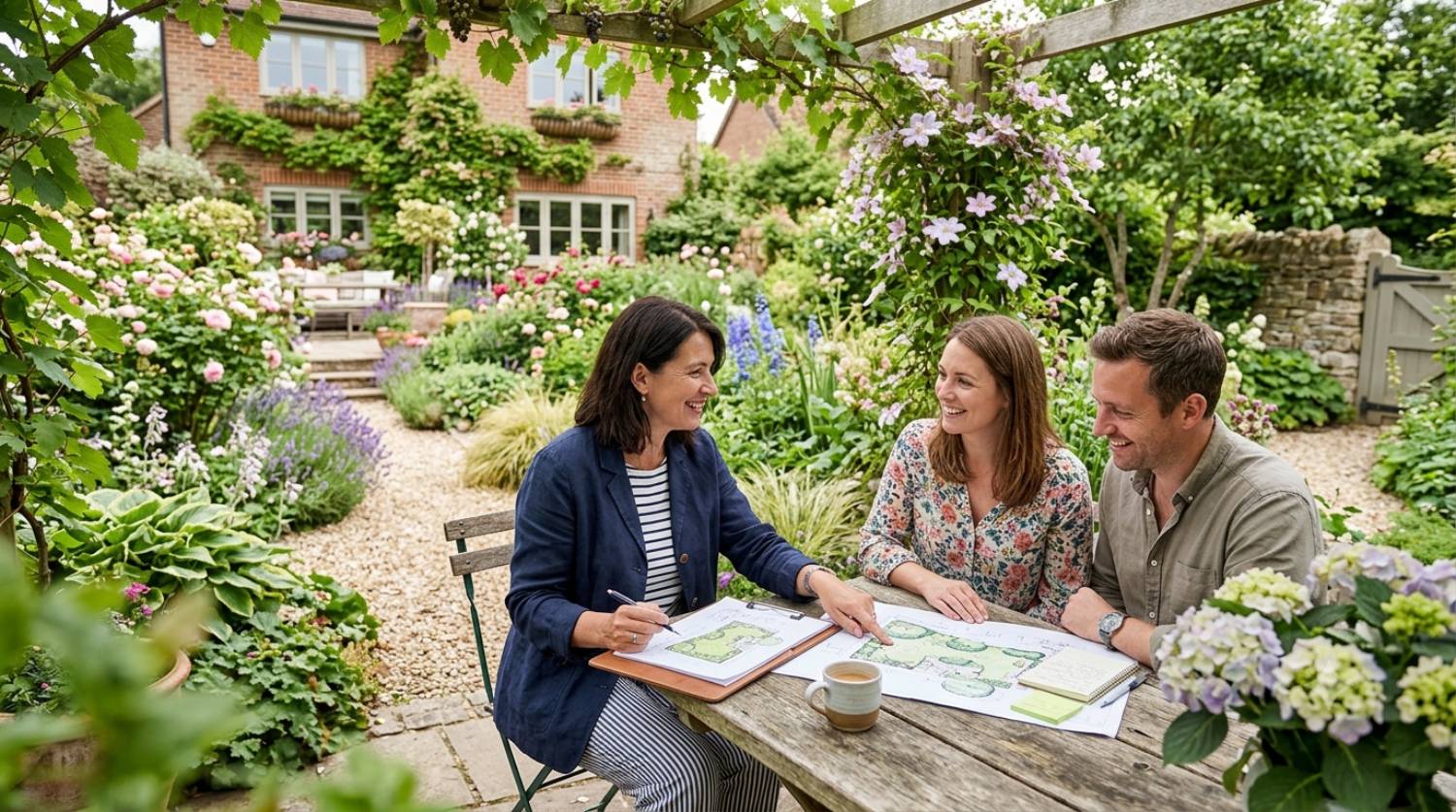
Many people find the process becomes clearer once they talk to a garden design consultant today and see how professional drawings and planting schemes bring abstract wishes into focus. Clear communication at this stage builds confidence and sets realistic expectations for timescales and costs.
Checking Credentials and Experience
Look for membership of recognised bodies such as the Society of Garden Designers or the British Association of Landscape Industries. These organisations require evidence of training, insurance and ongoing professional development. Reviewing a consultant’s portfolio is equally important. Study completed projects that share similarities with your own garden in size, style or setting. Client testimonials and independent reviews offer further insight into reliability and the quality of finished results.
Matching Style and Working Relationship
Personal rapport matters. You will work closely with the consultant over several weeks or months, so choose someone whose aesthetic sense aligns with your own and whose manner feels collaborative. Ask how many revision rounds are included in the fee and how they handle changes once construction begins. A transparent process reduces friction and keeps the project on track.
Practical Questions Worth Asking
- How do you survey a site and present initial concepts?
- What drawings and schedules will I receive, and will they be suitable for builders to price accurately?
- Do you oversee the construction phase or simply provide the design?
- How do you approach sustainable planting and water management?
- Can you provide references from recent local projects?
These questions reveal both technical competence and the level of support you can expect after the plans are drawn.
Balancing Ambition with Budget
An experienced consultant helps you prioritise features so that the available funds deliver maximum impact. They can suggest phased implementation, allowing key structural elements to be completed first while softer planting follows later. Honest discussion about costs early on prevents disappointment and enables informed choices about materials and labour.
Avoiding Common Pitfalls
Some homeowners focus solely on attractive photographs and overlook practical considerations such as maintenance requirements or local climate. Others select the lowest quote without verifying qualifications. Taking time to compare two or three consultants usually yields a clearer sense of value and suitability.
Preparing for Your First Meeting
Gather photographs of gardens you admire, note the times of day you most use the outdoor space, and list any non-negotiable elements such as a seating area or vegetable beds. Be ready to discuss your approximate budget range. The more precise the brief, the more useful the consultant’s response will be.
A second set of useful considerations includes:
- Preferred level of ongoing maintenance
- Existing trees or structures that must remain
- Access for machinery during construction
- Any planning restrictions that apply to your property
- Desire for wildlife-friendly planting or outdoor lighting
These points help the consultant produce proposals that fit both the site and your household routines.
Selecting the right professional transforms the experience from guesswork into a structured, enjoyable process. The resulting garden becomes a genuine extension of the home, enjoyable in every season and capable of growing more attractive over time.
Smart Outdoor Choices
Choosing a suitable garden design consultant involves checking professional memberships, reviewing relevant portfolios and ensuring a good working rapport. Early site assessment and clear discussion of budget and lifestyle needs prevent costly errors. Asking practical questions about process, drawings and construction support builds confidence. Prioritising features and considering phased work keeps projects realistic. With careful selection, the finished outdoor space delivers lasting pleasure, practical function and increased property appeal for years ahead.