Managing fuel costs can be one of the trickiest parts of running a fleet—but the right fuel card can make all the difference. From tracking expenses and simplifying payments to unlocking tailored discounts, choosing the perfect card ensures your vehicles run efficiently while saving your business time and money. Learn how to match your fleet’s unique needs with the features that matter most.
Running a business fleet involves constant trade-offs between time, cost, and accountability. Whether vehicles operate on short urban routes or long intercity journeys, fuel remains one of the most significant and unpredictable expenses. Many organisations still depend on reimbursements or cash-based methods, which often limit visibility and control. A fleet fuel card for companies offers a more structured way to manage, track, and optimise fuel spending from the outset.
Fuel cards are not simply a replacement for cash. They are structured tools designed to centralise fuel payments, provide detailed transaction data, and reduce administrative strain. Choosing the right one, however, requires more than comparing discounts. It calls for a clear understanding of business needs, fleet size, travel patterns, and internal controls.
The Role of Fuel Management in Fleet Operations
Fuel expenditure is rarely static. Prices fluctuate, routes change, and fleets expand or contract with business demand. Without structured oversight, small leaks—such as inefficient routes or unauthorised spending—can quietly inflate monthly costs.
Research across fleet-intensive sectors consistently shows that fuel can account for up to one-third of total operating expenses. Even a modest percentage saving can therefore translate into significant annual impact. Beyond cost, there is also the issue of time. Manual fuel tracking often consumes hours each month in reconciliation and reporting.
A well-designed fuel management system brings predictability into this equation. It creates a single view of fuel usage while reducing the administrative effort needed to maintain accuracy.
How Fleet Fuel Cards Work in Simple Terms
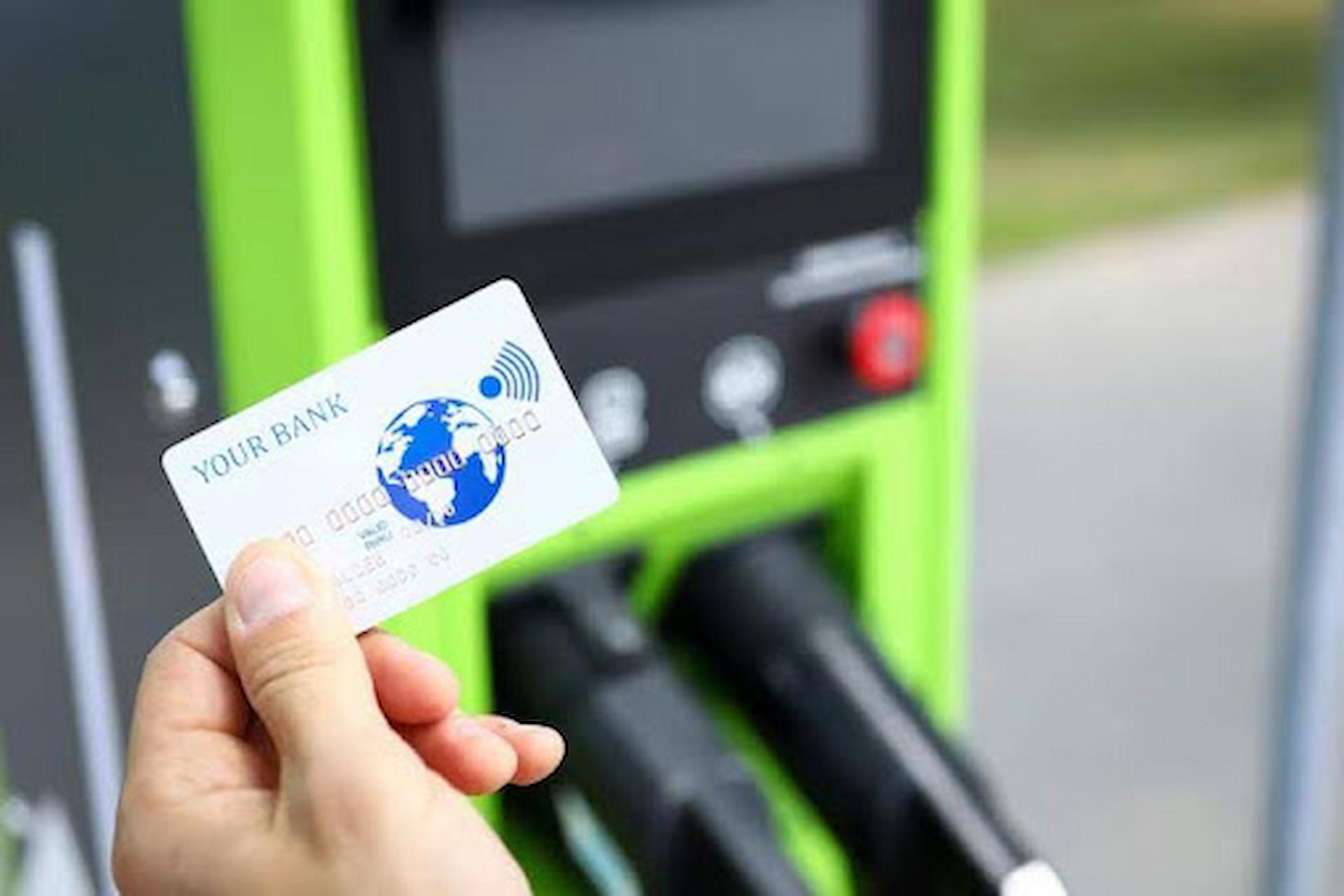
At their core, fuel cards act as a dedicated payment method restricted to fuel and approved vehicle-related expenses. Each transaction is recorded digitally, capturing information such as location, time, fuel type, and volume.
Instead of drivers paying upfront and submitting claims, expenses are billed directly to the business. This centralisation makes it easier to monitor patterns, set limits, and identify unusual activity early.
What Makes Them Different from Standard Payment Cards
Unlike general-purpose cards, fuel cards are designed with controls built in. These may include:
- Restrictions on fuel types
- Daily or monthly spending limits
- Vehicle or driver-based assignment
- Automatic transaction reporting
These features are intended to reduce misuse while keeping legitimate use straightforward for drivers.
Matching a Fuel Card to Your Business Profile
No two fleets operate in exactly the same way. Selecting a card without considering operational realities can lead to underused features or unnecessary costs.
Fleet Size and Growth Plans
A small fleet may prioritise simplicity and ease of setup, while a larger operation may need advanced reporting and multiple user controls. It is also wise to consider future growth. A solution that scales smoothly avoids disruption later.
Route Patterns and Coverage
Some fleets operate locally, while others travel across regions or states. Fuel acceptance networks should align with these patterns. Wider coverage reduces the risk of drivers detouring or paying out of pocket.
Administrative Capacity
Businesses with lean back-office teams benefit most from automated reporting and consolidated invoicing. The goal is to reduce manual work, not add another system to manage.
Cost Control Beyond Price Per Litre
While fuel price discounts are attractive, they should not be the sole deciding factor. True cost control comes from visibility and prevention.
Detailed reporting allows managers to compare fuel consumption across vehicles or time periods. Patterns that suggest inefficiency—such as frequent small refuels or inconsistent fuel types—become easier to spot and address.
Midway through fleet operations, many businesses find that adopting a fleet fuel card for companies helps align fuel usage with internal policies. Spending rules can be enforced automatically, reducing the need for follow-up checks or corrective action.
Security and Accountability Features to Look For
Fuel cards are often assigned to specific vehicles or drivers. This creates a clear line of accountability that is difficult to achieve with shared cash or reimbursement systems.
Key security features may include PIN protection, transaction alerts, and real-time monitoring. These tools act as safeguards, protecting both the business and the driver from disputes or errors.
When evaluating options, it is worth assessing how easily limits can be adjusted and how quickly unusual activity is flagged.
Integration with Broader Fleet Management
Fuel data is most powerful when it does not exist in isolation. Many modern systems allow fuel transactions to be reviewed alongside mileage, maintenance schedules, or performance metrics.
This integration supports more informed decisions. For example, consistent increases in fuel usage may signal maintenance needs or route inefficiencies. While the data itself is neutral, the insights it provides can drive operational improvements.
Practical Considerations During Implementation
Even the best system can fall short if implementation is rushed or unclear. Clear communication with drivers and administrators ensures smoother adoption.
Training does not need to be complex. Most fuel cards are designed for intuitive use, but explaining spending rules and expectations upfront reduces confusion later. Clear internal guidelines help everyone understand how the system supports the business rather than restricts them.
Actionable Tips for Choosing Wisely
- Define priorities early: Decide whether cost savings, reporting, or control is the main objective.
- Assess coverage needs: Ensure acceptance aligns with where vehicles actually operate.
- Review reporting depth: Look for clear, customisable summaries rather than raw data dumps.
- Check flexibility: Spending limits and user settings should adapt as operations change.
- Plan onboarding: Allocate time for setup and communication to avoid disruption.
The Broader Business Impact
Beyond fuel savings, structured fuel management contributes to stronger financial governance. Predictable billing simplifies budgeting, while consistent records support audits and compliance checks.
Over time, these benefits extend beyond the fleet department. Finance teams gain clarity, operations teams gain insight, and leadership gains confidence that fuel spend aligns with business goals.
The Bottom Line
Fuel management does not need to be a constant source of uncertainty or administrative strain. With the right approach, it becomes a structured process that supports efficiency, accountability, and informed decision-making. Choosing a solution that fits your fleet’s size, routes, and internal capacity lays the foundation for long-term control rather than short-term fixes.
A thoughtfully selected fleet fuel card for companies offers more than convenience. It provides visibility where guesswork once existed and replaces fragmented processes with a single, reliable system. As fuel costs continue to fluctuate, businesses that invest in clarity and control are better positioned to adapt without disruption.
Now is the moment to review how fuel is managed within your organisation. Assess current gaps, define priorities, and consider solutions that align with both present needs and future growth. The right choice today can quietly deliver value across every mile tomorrow.